What to Do During Weather Delays on a Yukon Hunting Trip
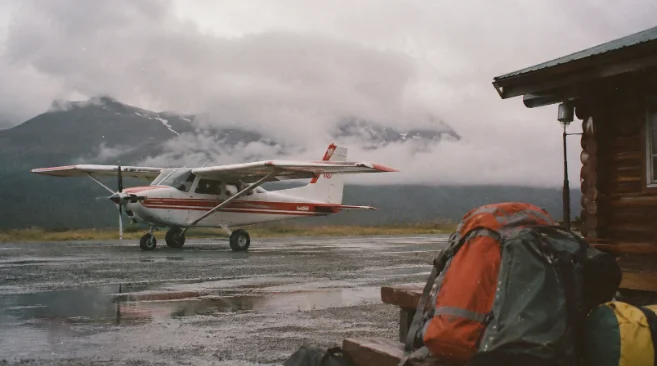
Your bags are packed, your outfitter is ready and the aircraft is scheduled to leave in the morning. Then low cloud settles over the mountains, visibility…
What you can hunt, how guided hunts work for non-residents, when to go, what it costs, and how to choose an outfitter — the complete field guide for the hunt of a lifetime.

Sheep, moose, caribou, bear and more — the headline species and how to think about them.

The honest numbers in Canadian dollars, plus the extras that are easy to forget.

Fitness, boots, glass and the gear that makes or breaks a mountain hunt.
The Yukon is one of the great wilderness hunting destinations on earth: vast, remote and largely untouched, with healthy, diverse wildlife across mountains, boreal forest and tundra.
For a non-resident hunter it offers a genuine backcountry adventure — fly-in camps, horseback and backpack hunts, and species that are hard to find anywhere else, guided by professionals who know the land intimately. It is also a serious undertaking. The territory is divided into nineteen outfitting concessions, each with exclusive rights to guide non-resident hunters in a defined area, a system set out by the territorial government decades ago.
Hunts are planned years ahead, cost more than most trips you will ever take, and ask real things of you in fitness and preparation. This guide walks you through the whole picture so you know what you are getting into before you ever pick up the phone.
From world-class wild sheep to moose the size of a small car, the Yukon's big-game list is long and varied. What you can actually hunt depends on the area, the season, your licence and your outfitter's concession.
A useful way to think about it is by hunt type rather than by animal. Mountain hunts — sheep and goat — mean altitude, steep ground and serious fitness. Forest and valley hunts — moose and bear — lean on calling, glassing and more moderate terrain. Tundra and alpine caribou hunts fall somewhere in between.
The Yukon's signature hunt — white Dall and dark Stone sheep in high, rugged country. Demanding, coveted and often booked years out.
Yukon moose are among the largest in the world. A classic autumn-rut hunt, calling bulls in from the willows. Less climbing than sheep.
Barren-ground and mountain caribou range across tundra and alpine. A spectacular, often more accessible hunt with striking antlers.
Grizzly is a premium, tightly managed hunt; black bear is more attainable. Often added to a sheep or moose hunt.
Steep, serious country for a shaggy white trophy. A true mountain hunt for the fit and sure-footed.
Wolf and wolverine may be taken on licence in many areas, and wood bison hunts exist in specific zones under strict management.
The single most important thing to understand is this: as a non-resident, you generally cannot simply buy a tag and hunt big game on your own. You hunt with a licensed outfitter and guide, inside that outfitter's concession.
Answer three quick questions and get a starting point for the species and style of hunt that suit your goals, experience and budget. A conversation starter for talking to outfitters, not a booking.
A guide for planning only. Species availability, seasons and rules are set by the Government of Yukon and your outfitter.
The best hunts are earned one ridge at a time.
The Yukon hunting season is short and shaped by the northern autumn. Most guided big-game hunting runs from roughly late July into October, with the exact dates set by species and area.
| Rough window | Typical focus | What to expect |
|---|---|---|
| Late July – August | Sheep, early moose, goat | Alpine hunts open; long days, big country, best weather |
| September | Moose rut, caribou, sheep | Prime time; calling bulls, cooling weather, autumn colour |
| Late Sept – October | Moose, caribou, late hunts | Rut peaks then fades; first snow possible; shorter days |
| Spring (area-specific) | Bear | Some areas offer spring bear hunts as snow recedes |
Weather in any month can turn fast, from summer warmth to snow, so season choice is as much about conditions and what you can endure as it is about the calendar. Your outfitter will steer you to the right window for your target species in their area.
Beyond the hunt itself, a Yukon trip involves paperwork, and getting it right well ahead of time keeps your adventure on track. As a non-resident you will need the appropriate hunting licence, seals and species tags, which your outfitter helps arrange under Yukon regulations. Bringing a firearm across the border adds its own forms and rules.
None of it is difficult, but it is time-sensitive and unforgiving if left late. Treat the official Government of Yukon guidance as the authority, lean on your outfitter who does this every season, and start early.
There is no gentle way to say it: a guided Yukon hunt is expensive, reflecting the remoteness, the exclusivity of the concession system and the logistics of putting you on game in true wilderness.
It helps to split the cost into two buckets: the outfitter's base hunt price, which covers the guided hunt inside their concession, and everything around it. That second bucket — licences and tags, charter and bush flights, taxidermy and shipping, international flights and gratuities — can add many thousands more and is easy to underestimate.
Choose a hunt and the extras you are likely to need for a rough all-in estimate in Canadian dollars. Figures are indicative market ranges to help you budget, not a quote.
Indicative total in CAD for the hunt plus selected extras.
Rough CAD ranges only. Every outfitter prices differently — always get a written quote.
Your outfitter makes or breaks the trip, so this is the decision to get right. Start from official and industry sources, then speak with several outfitters directly and ask the hard questions. Good ones welcome them.
Request recent clients you can actually call. A reputable outfitter connects you with past hunters happily.
Ask for real, species-specific success rates over several years — and be wary of anyone promising a guarantee.
Pin down exactly what the price covers: flights within the hunt, licences, trophy fees, meat and trophy care, gratuities.
One-on-one or two-on-one changes your odds and your experience, especially for sheep. Confirm it in writing.
Ask how they handle fair chase, wounded game and meat. Their answers tell you who they are.
A clear contract covering dates, price, inclusions and cancellation protects everyone. Read it before you pay.
A Yukon hunt rewards the prepared and punishes the complacent. Months before you fly north, two things deserve real attention: your fitness and your gear.
For sheep and goat especially, build months of hill walking, cardio and loaded-pack hikes. You cannot fake mountain fitness.
Quality, broken-in mountain boots are non-negotiable. Blisters end hunts. Add good socks and a tested insole.
Pack a proven layering system for warmth, wind and rain. Northern weather swings from sun to snow in a day.
Bring a suitable, reliable rifle and practice from field positions and realistic ranges long before the trip.
Quality binoculars earn their keep in open country. Much of a mountain hunt is spent glassing, not walking.
Your outfitter supplies a packing list built for their area. Follow it closely and ask about anything unclear.
Regulated hunting in the Yukon sits inside a careful management system of seasons, quotas, concessions and reporting, all aimed at keeping wildlife populations healthy for the long term. Outfitters are full-time professionals with a deep, lasting stake in the territory — their livelihood depends on abundance, not scarcity.
For the visiting hunter, ethics are not an afterthought but the point. Fair chase, clean shots, full use of the meat and respect for the land are what separate a hunt from a mere kill. Done right, a Yukon hunt is a demanding, humbling experience that leaves both the hunter and the country better for it.
Remote country is unforgiving, and safety is a shared job between you and your guide. You will be far from help, often in bear country and at the mercy of the weather.
Grizzlies share this country. Follow your guide on food storage, camp habits and what to do in an encounter.
Hypothermia is a real risk even in summer. Keep dry, layer well, and never push on when conditions turn dangerous.
Bush flights and steep ground carry risk. Listen to your pilot and guide; their caution is experience, not fuss.
Part of what makes a Yukon hunt feel like a true expedition is simply reaching the hunting ground. It is remote by design, and the journey in is part of the experience.
Most hunters fly into Whitehorse, the territory's capital and main gateway, then connect onward toward their outfitter's area. From the staging point, your outfitter arranges the final leg into their concession — often a charter or bush flight to a remote airstrip or lake, sometimes a drive followed by horses or a boat. Build in buffer days for weather, which can delay bush flights.
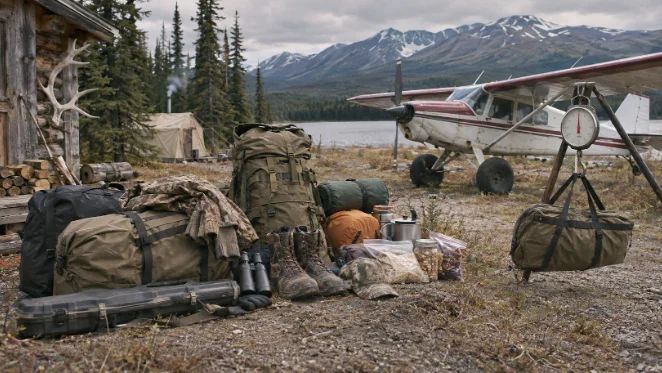
Your bags are packed, your outfitter is ready and the aircraft is scheduled to leave in the morning. Then low cloud settles over the mountains, visibility…
Booking a guided Yukon hunt is only the beginning of organizing a northern wilderness expedition. Between leaving home and arriving at a remote hunting camp, you…
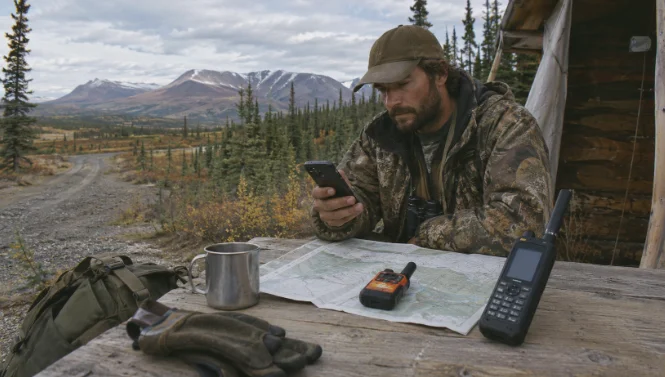
Your smartphone may work perfectly well when you land in Whitehorse, but conditions can change dramatically once you travel into a remote hunting concession. Beyond established…
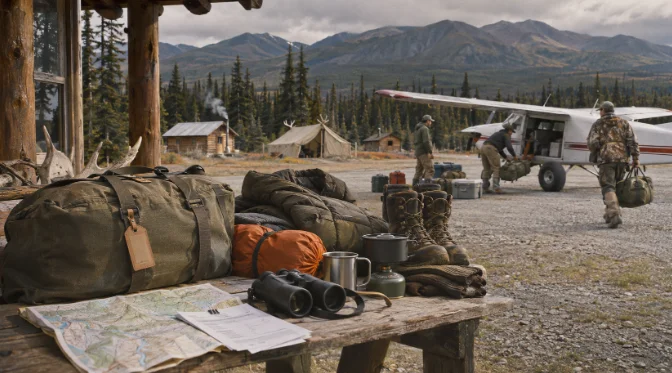
Packing for a Yukon fly-in hunt is different from preparing for a road-accessible hunting trip. Everything you bring must fit inside a relatively small aircraft, alongside…
For most fly-in Yukon hunting trips, arriving in Whitehorse two nights before your scheduled departure into camp is a sensible starting point. Three nights may be…
Sheep country humbles the unprepared. Train hard for months — it is the best money you will not spend.
The best outfitters and species fill up years out. Start researching long before you plan to hunt.
Flights, tags, taxidermy and tips add up fast. Plan the all-in cost, not just the hunt fee.
Not calling past clients is how bad surprises happen. Always talk to people who have hunted with them.
Untested boots and a weak layering system ruin hunts. Dial in your kit before you fly.
Firearm and licence admin is time-sensitive. Sort it early so nothing derails the trip.
A great Yukon hunt is built over months and years, not weeks. Here is a realistic sequence from first dream to wheels-up.
Match yourself to a hunt, sketch the budget, and go in knowing what a Yukon adventure really asks and gives.